Moving dirt without the right paperwork in place costs operators thousands — in fines, stop-work orders, and delays at TCEQ final inspection. After handling registration for 50+ Texas UST sites, here's what needs to be done before the excavator shows up.
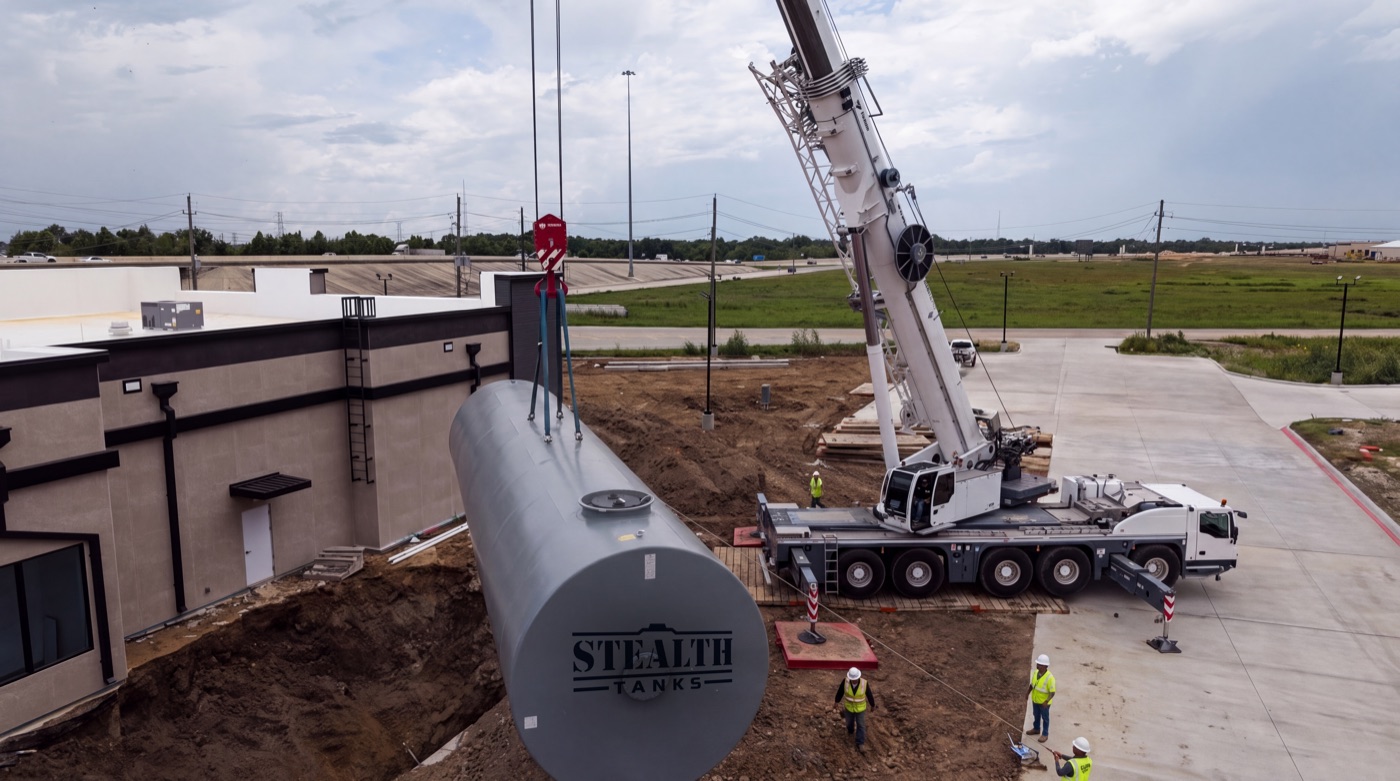
Phase 1: Before You Submit Anything to TCEQ
Owner / Operator Verification
- Confirm the legal entity that will own the tank matches the property deed or lease
- Obtain TCEQ Customer Number for the owner (create at tceq.texas.gov if new)
- Designate and train the operators TCEQ requires for the facility
- Verify all designated operators have current TCEQ UST operator training certificates
Contractor Verification
- Confirm the installation contractor holds current TCEQ credentials for the scope of work
- Get the contractor's TCEQ credentials in writing before you sign
- Confirm leak detection evaluator holds TCEQ evaluator license for the system type
- Verify cathodic protection tester has NACE CP certification (required for corrosion testing)
Phase 2: TCEQ Notification
The Notification Package
- Complete TCEQ’s current construction notification for the work — pull the live version from TCEQ rather than reusing a saved copy
- Attach tank specification sheet — make, model, UL listing number, capacity, material
- Include installer's TCEQ certification number and license expiration date
- Include site address, county, and parcel ID
- Submit via TCEQ STEERS electronic reporting system OR certified mail
- Retain confirmation/receipt — you'll need it at inspection
- Calendar the notification period from your submission date — do not mobilize before it has run
Common rejection reason: Contractor credentials that are missing or expired at the time of filing. Verify them before you sign, not at inspection.
Phase 3: Site Prep Verification
Before Excavation Begins
- 811 dig-safe call placed and all underground utilities marked
- Local building permit pulled (separate from TCEQ notification)
- Soil boring data reviewed — confirm no unexpected groundwater at tank depth
- Anti-buoyancy calculation completed if high water table is possible
- Tank delivery confirmed and scheduled — do not excavate until tank is confirmed on its way
- Excavation contractor briefed on required inspection hold points
Phase 4: Installation Inspection Hold Points
TCEQ requires inspections at specific milestones. Do not proceed past these points without inspector sign-off:
Hold Point 1 — Before Backfill
- Tank in hole, before any backfill material placed
- Inspector verifies placement depth, anti-buoyancy anchoring, and secondary containment integrity
- Cathodic protection anodes visible and properly attached
- All fittings and penetrations sealed and documented
Hold Point 2 — Piping Pressure Test
- All primary product piping pressure-tested before backfill
- Vapor recovery piping tested separately
- Test documentation signed by licensed installer
Hold Point 3 — Final Commissioning
- Leak detection system installed, powered, and functional
- ATG probe calibration complete
- Interstitial monitoring confirmed operational
- Leak detection evaluator certification in hand
- Cathodic protection test completed by NACE-certified tester
- All documentation package assembled for TCEQ final registration
Phase 5: Final Registration Package
Documents to Submit to TCEQ
- The completed notification and any amendments
- Installation inspection report signed by certified inspector
- Pressure test results for piping
- Leak detection evaluator certification letter
- Cathodic protection test results
- Tank manufacturer UL listing documentation
- Operator training certificates for all three operator classes
Stealth Tanks manages this entire process for all turnkey installations. If you're managing a project yourself, print this checklist and go through it line by line — the issues that cause rejections are nearly always the small documentation items, not the physical installation.
Questions about your specific site? Call 346-209-2032